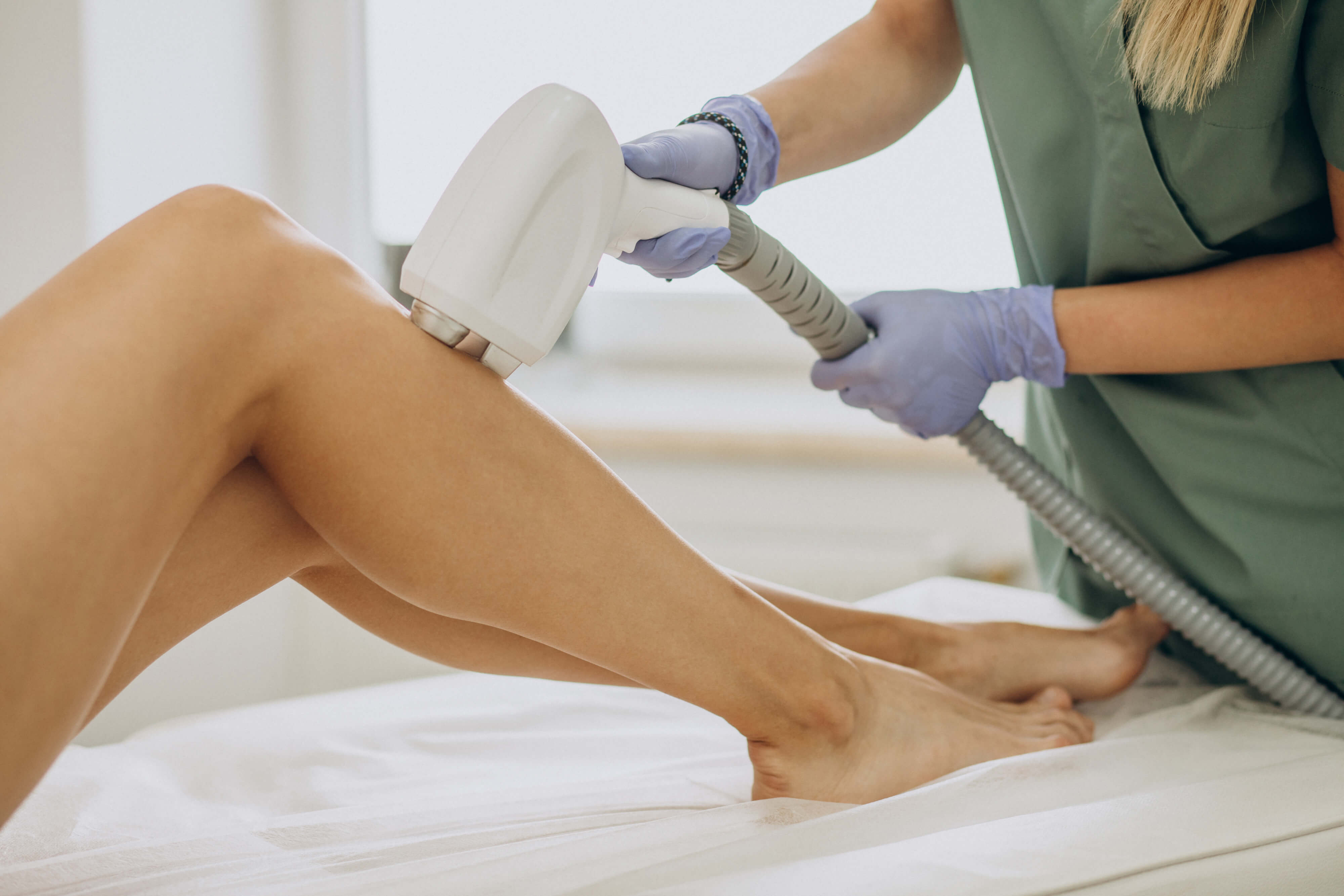
About 40% of our laser hair removal clients are men. That number surprises most people — but it shouldn't. Back hair that ruins every beach photo, neck irritation from daily shaving, chest hair that pokes through dress shirts — these aren't cosmetic vanity problems. They're daily annoyances that laser solves permanently.
But men's laser hair removal is different from women's in ways that matter. The hair is thicker. The treatment areas are larger. The pain tolerance expectations are... optimistic. Here's what actually happens when a man walks into our salon for laser treatment.
Why Men's Hair Responds Differently to Laser
Male body hair is typically thicker, coarser, and more densely packed than female body hair. That's actually good news for laser — the laser targets melanin (pigment) in the hair follicle, and thicker, darker hair absorbs more energy. Translation: men often see faster visible results than women in the first few sessions.
The flip side: denser hair means more follicles per square inch, which means more sensation per pulse. We're not going to pretend it's painless. It feels like a series of quick rubber band snaps. The back and chest are manageable. The neck and bikini-equivalent areas are more sensitive. Most men describe it as "uncomfortable but not bad enough to stop."
The Most Common Areas Men Treat
Back and shoulders — the most requested area by far. Shaving your own back is physically impossible without help, and waxing grows back in weeks. Laser is the only real permanent solution. Most men need 6–8 sessions for 80–90% permanent reduction.
Chest and abdomen — some men want full removal, but most ask for reduction. We can thin out chest hair so it looks natural but manageable — you don't have to go completely smooth unless you want to.
Neck and beard line — chronic razor bumps, ingrown hairs, and irritation from daily shaving. Laser can permanently eliminate the hair that causes these problems, especially on the neck below the jawline. This is particularly effective for men with curly hair who get persistent razor bumps.
Underarms — more popular than you'd think. Reduces odor, reduces sweating, and eliminates the need for trimming.
Full legs and arms — common among athletes, cyclists, and swimmers, but increasingly popular with men who simply prefer the look and feel.
How Many Sessions Does It Take?
Hair grows in cycles. At any given time, only about 20–30% of your hair follicles are in the active growth phase — which is the only phase laser can target. That's why you need multiple sessions spaced 4–8 weeks apart.
For most men, the realistic timeline is:
- Sessions 1–2: You'll notice patchiness and slower regrowth. The treated hair falls out over 1–2 weeks.
- Sessions 3–4: Significant thinning. You'll go longer between sessions and notice much less hair growing back.
- Sessions 5–8: Most men reach 80–95% permanent reduction. Some areas may need a maintenance session once a year.
The back typically responds fastest (6 sessions). The chest can take 7–8. Individual results vary based on hair color, skin tone, and hormones — which is why we do a consultation before your first session to set honest expectations.
Does Skin Tone Matter?
It used to. Older laser technology worked best on light skin with dark hair. Modern diode and Nd:YAG lasers work safely on all skin tones — including darker skin. We adjust the wavelength and energy settings for each client's individual skin type using the Fitzpatrick scale. That's why the initial consultation matters: we need to see your skin and hair in person to select the right parameters.
What to Do Before and After
Before: Shave the treatment area 24 hours prior (don't wax — we need the follicle intact). Avoid sun exposure and tanning for 2 weeks before. Skip any retinol or exfoliating products on the area for a few days.
After: The area may feel like a mild sunburn for a few hours. Apply aloe vera or the cooling gel we provide. Avoid hot showers, saunas, and intense exercise for 24 hours. No sun exposure on the treated area for a week. The treated hairs will shed on their own over 7–14 days — don't try to pull them out.
The Bottom Line
Men's laser hair removal isn't a trend — it's a practical solution that hundreds of our male clients have chosen because they're tired of shaving, waxing, or living with unwanted hair. It works. It's not as painful as the internet suggests. And after 6–8 sessions, the problem is solved permanently.
If you've been thinking about it, start with a consultation. We'll look at your skin and hair, tell you exactly what to expect, and give you an honest timeline. No pressure, no upselling — just information so you can decide if it's right for you.
Julia is a co-founder of Callista Beauty & Spa in Jefferson Park, Chicago, a beauty professional originally from Ukraine with 15 years in cosmetology. Her background shapes how the team approaches skin and body treatments across the salon.
Preguntas frecuentes
Is laser hair removal safe for men?
Yes. The laser targets hair follicles specifically and doesn't damage surrounding skin when performed by a trained technician with proper settings. We adjust parameters for each client's skin tone and hair type.
How painful is laser hair removal for men?
Most men describe it as a series of quick rubber band snaps. The back and chest are very manageable. More sensitive areas like the neck feel stronger but are still tolerable. The discomfort lasts only during the pulse — not after.
Can I just reduce hair thickness instead of removing it completely?
Absolutely. Many male clients prefer thinning rather than full removal, especially on the chest. After 3–4 sessions, we can stop and maintain the reduced density. You control how much hair stays.
How long do results last?
Laser hair removal is considered permanent reduction. After a full course of 6–8 sessions, most men see 80–95% less hair. Some fine hair may regrow over time due to hormonal changes, which is why occasional maintenance sessions (once a year) may be needed.
How much does men's laser hair removal cost?
Cost depends on the treatment area. We offer package pricing for full courses. Book a free consultation to get exact pricing for your specific goals — we'll assess your hair and skin and give you a clear quote with no hidden fees.