
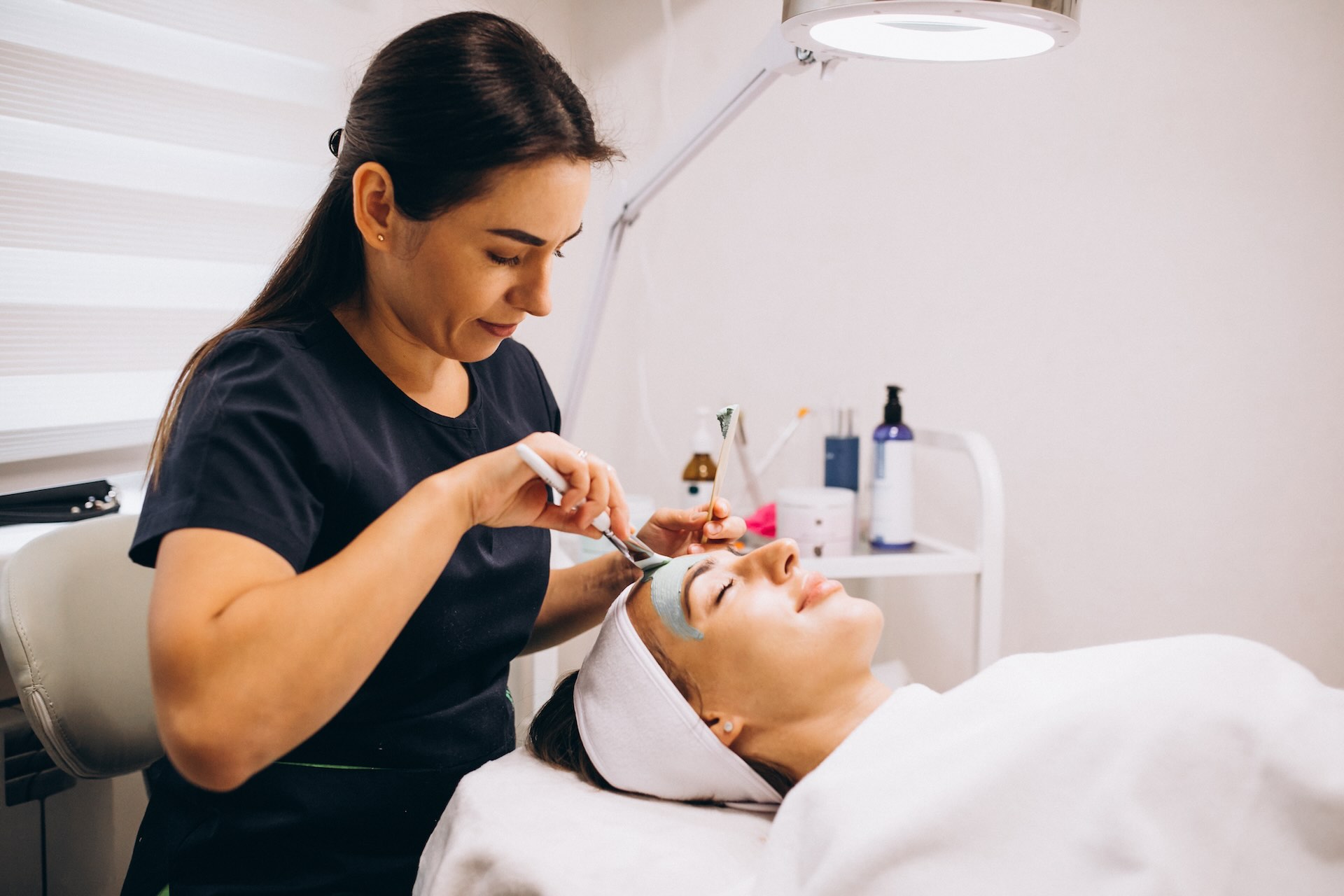
If your serum doesn't seem to absorb, your moisturizer sits on top of your skin instead of sinking in, and you've spent real money on actives that aren't doing anything visible — the problem almost certainly isn't the products. It's the 15–20 layers of dead skin cells sitting on top of your face blocking them.
A chemical peel removes that barrier in 30 minutes. Here's what's actually happening when it does.
What dead skin buildup actually looks like
Your skin naturally sheds dead cells every 28–40 days (slower as you age — it's 45–60 days by your 40s). When that process is sluggish, those cells accumulate on the surface. The visible result: skin looks flat, slightly grey, and dull. Products can't penetrate effectively. Fine lines look deeper because the light scatters unevenly off the textured surface. Pores look larger because they're clogged with debris.
This isn't a sign of bad skincare habits. It happens to everyone and speeds up with sun exposure, stress, and aging.
How a chemical peel clears it
Chemical peels use acids to dissolve the connections between dead skin cells (called desmosomes), causing the outer layer to shed faster than it would naturally. Different acids target different depths:
- Glycolic acid (AHA, from sugarcane): Small molecular weight, penetrates deeply into the epidermis. Best for pigmentation, fine lines, and general texture.
- Salicylic acid (BHA, oil-soluble): Penetrates into the pore lining. Best for oily, acne-prone skin and blackheads.
- Lactic acid (AHA, gentler): Larger molecule, stays closer to the surface. Better for sensitive skin or first-time clients.
- TCA (trichloroacetic acid): Reaches the upper dermis. More significant results for scarring and sun damage, with 5–7 days of visible peeling.
After the dead layer is removed, the fresh skin underneath absorbs your serums in the way the manufacturer intended. Clients frequently report their existing products "working better" in the weeks after a peel — because they finally are.
What to expect: the honest version
Superficial peels (glycolic, lactic, low-strength salicylic): You'll feel tingling or mild warmth during application, lasting 3–5 minutes. Skin may look slightly pink for a few hours. No visible peeling for most people. You can wear makeup the same day.
Medium-depth peels (stronger TCA, combination acids): Visible peeling — actual flaking skin — for 3–7 days. More redness immediately after. Results are significantly more dramatic. This is not a lunchtime treatment.
The most important aftercare rule, regardless of peel depth: SPF every day without exception. Freshly exfoliated skin has less melanin protection. Skipping sunscreen after a peel can create the exact pigmentation you were trying to fix.
When a peel isn't the right answer
Active cold sores, open acne lesions, rosacea flare-ups, or recent retinoid use (within 1 week) are all contraindications. Pregnancy rules out most acid peels. If you've had a laser treatment recently, timing matters — we'll ask about your history before recommending anything.
For clients with very sensitive skin or a compromised barrier, a hydrating facial first is a better starting point. We can assess this during consultation and sequence treatments appropriately.
Our current April combination
This month we're offering a custom facial followed by a chemical peel as a package, with an SPF cream included. The facial removes surface impurities and prepares the skin for more even peel penetration — the combination performs better than either treatment alone. The package is $99 for the facial, with the peel added. Book before the end of April. See our facials page for the full menu of facial and peel options.
Julia is a co-founder of Callista Beauty & Spa in Jefferson Park, Chicago, a beauty professional originally from Ukraine with 15 years in cosmetology. Her background shapes how the team approaches skin and body treatments across the salon.
Frequently Asked Questions
Will I visibly peel?
Depends on the peel. Superficial peels cause cell turnover you won't see — no flaking, just better skin over the following week. Medium-depth peels cause visible shedding for 3–7 days. We'll tell you exactly what to expect based on which peel we recommend for your skin.
Can I wear makeup after?
After a superficial peel, yes — same day if your skin isn't sensitive. After a medium peel, wait at least 48 hours and avoid anything heavy while the skin is actively shedding.
Are chemical peels safe for darker skin tones?
With the right acid selection, yes. Lactic acid and mandelic acid carry lower risk of post-inflammatory hyperpigmentation on deeper skin tones. TCA and high-strength glycolic are higher risk and require more caution. We always choose the acid based on your skin tone and history.
How often should I get a peel?
Superficial peels: once a month is ideal and safe. Medium-depth peels: every 3–6 months. Back-to-back peeling more frequently than this doesn't accelerate results — it irritates the barrier and slows recovery.
Ready to experience it yourself?
Book an appointment at our Jefferson Park location in Chicago.
Book Now